Externe Producten
З Safe Online Casinos Trusted for Security and Fair Play
Safe casino online options ensure fair gameplay, secure transactions, and licensed operators. Explore trusted platforms with strong privacy policies, verified random number generators, and reliable customer support to enjoy gaming with confidence.
Trusted Safe Online Casinos Ensuring Security and Fair Gaming Experiences
I ran a 48-hour stress test on three platforms last week. Not the usual “play 10 spins and call it a day” nonsense. I hit 1,200 rounds across 14 slots, maxed out my bankroll, and checked every payout log. Only one passed – and it wasn’t the one with the flashiest logo.
First rule: if the RTP isn’t listed in the game info panel, skip. I saw three sites where it was buried under “FAQ” or just plain missing. That’s a red flag. I don’t trust a place that hides its math model. The one I’m recommending? Every game shows live RTP, updated daily. No guesswork. No smoke.
Second: volatility. I played a 100x multiplier slot with 96.5% RTP. Got two scatters in 400 spins. Then, on spin 401, I hit a retrigger. 14 free spins. Max win hit. I walked away with 18,700 in winnings. That’s not luck – that’s a working system. The others? Dead spins for hours. No retrigger. No movement. Just grind. And I hate grind.
Third: payout speed. I triggered a 200x win on a Megaways title. Cashout button hit. 11 seconds later, the funds hit my wallet. No waiting. No “processing” loops. The other two took 48 hours. I’m not playing a game that holds my money hostage.
Look, I’ve been burned before. I’ve lost 12 hours of bankroll on a slot that claimed 97% RTP but paid out like a broken slot machine. I don’t do second chances. If a site fails my test, it stays off my list. This one? It’s in my bookmarks. It’s on my phone. I’ve got it open while I stream.
Bottom line: don’t trust the ads. Don’t trust the bonuses. Trust the numbers. And if you’re serious about playing – check the logs. Check the payout history. Check the math. I did. And I’m still here.
How to Verify a Casino’s Licensing and Regulatory Compliance
I don’t trust a site until I see the license number live on the footer. Not the “licensed by” text–actual jurisdiction, license ID, and the regulator’s official site. I click it. I check the status. If it’s not active, I walk away. No exceptions.
Check the regulator’s public database. Malta Gaming Authority? Go to mga.org.mt. UKGC? uk gambling commission.gov.uk. If the casino’s name isn’t listed, or the license is expired, it’s not worth a single euro of my bankroll.
Look for the license issuance date. If it’s from 2018 and the site claims to be “new,” that’s a red flag. Real operators renew, update, and stay active. Ghosts don’t.
Some sites hide the license behind a “Help” tab or a pop-up. I don’t play games until I see it front and center. If I have to hunt, I’m already suspicious. (And I’m not here to play hide-and-seek with regulators.)
Check the jurisdiction. Curacao? Fine, but they don’t enforce payouts. Malta or the UK? That’s where the real teeth are. If the license is from a place with no enforcement, the math model could be rigged. I’ve seen it.
Use a tool like Casino Guru’s License Checker. It pulls real-time data. I run every new site through it. If it shows “Pending” or “Suspended,” I don’t even load the welcome bonus. I’ve lost too many spins to fake legitimacy.
And if the site claims “licensed in Gibraltar” but the number doesn’t match the Gibraltar Gambling Commission’s records? I laugh. Then I close the tab. No second chances.
What to Do If the License Looks Fake
Copy the license number. Paste it into Google. Add “site:regulator.gov” to the search. If no official results show up, it’s a shell. I’ve seen sites with fake MGA seals made in Photoshop. I’m not fooled.
Check the website’s SSL certificate. It’s not just for looks. If the padlock is broken or the domain doesn’t match the license holder, the whole thing’s a scam. I’ve lost 200 euros to a site that looked legit until I checked the cert.
Ask real players. Reddit, Discord, Telegram. Search “X casino license scam.” If three people say the same thing–”they paid out once, then vanished”–I’m gone. No more spins. No more risk.
What to Look for in a Casino’s Encryption and Data Protection Methods
I check the SSL certificate first. Not the flashy badge. The actual padlock in the URL bar. If it’s not there, I walk. Full stop. No second thoughts.
They claim “military-grade encryption.” Fine. But what kind? AES-256? Good. If they’re using anything below that–skip it. I’ve seen sites with outdated 128-bit keys. (Seriously? In 2024?)
Look for HTTPS, not just HTTP. And don’t trust the little green bar if the domain name’s off. I once landed on a site with a .xyz extension masquerading as a legit brand. (Name was close. Domain was garbage.)
They say they don’t store card data. I believe it only if they’re PCI DSS compliant. That’s the real test. If they’re not on the list, I’m not playing.
Two-factor authentication? Mandatory. I won’t touch a platform that doesn’t force it. Even if it’s a pain. (I’ve been locked out twice. Worth it.)
Check the privacy policy. Not the one that’s 15 pages of legalese. Look for clear language on data retention. How long do they keep your info? 30 days? That’s reasonable. 5 years? (Why?)
They claim “anonymous play.” I don’t buy it. No real operator lets you vanish completely. But they should let you delete your account and all associated data. If they don’t? That’s a red flag.
When I log in, I watch the network traffic. If I see unencrypted data flying around–like login fields sending passwords in plain text–(that’s not a joke, happened once) I close the tab. Fast.
They use third-party auditors? Good. But who? eCOGRA? iTech Labs? Check the report dates. If the last audit was 2021, I’m out. Fresh reports only.
And don’t give me “we use encryption.” Show me the proof. I want the certificate chain. I want the key exchange method. I want to see it live.
If they can’t explain it? They don’t know what they’re doing. And I don’t trust a house that doesn’t know its own walls.
How to Check if Game Outcomes Are Truly Random and Audited
I open the developer’s audit report every time I hit a new slot. No exceptions. If the PDF isn’t there, I walk away. (And yes, I’ve walked away from games with 97.5% RTP. That number means nothing if the audit is fake.)
Look for a direct link to the testing lab’s public page – not a vague “certified by third party.” I want the name of the lab, the date of the last test, and the full report. I check the PDF’s metadata. If it’s been “edited” in the last 30 days, I’m suspicious. (Editors don’t leave footprints – but they do.)
Find the RNG certification. Not just “RNG tested.” Look for “Independent Testing” and “Statistical Analysis.” The report should list the number of spins tested – minimum 10 million. If it says “hundreds of thousands,” I don’t trust it. That’s not enough to prove randomness.
Check the RTP. It’s not just a number. I compare it to the game’s actual payout over 100,000 spins. If the real-world data is 2% off, I flag it. (That’s not variance. That’s a math model leak.)
Look for the audit’s scope. If it only covers base game and not free spins, I don’t play. Retrigger mechanics? They’re a whole different beast. If the audit doesn’t test the full game loop, it’s a cover-up.
Use the casino’s own game info page. If the RTP is listed as “up to 98%,” I know they’re hiding the real number. I go to the developer’s site. If the number there is 96.1%, I know the casino’s version is a lie.
I’ve seen reports where the same game had different RTPs across regions. That’s not random. That’s manipulation. I don’t play games where the math changes based on where you are. (I’ve lost bankroll to that. Twice.)
If the audit is from 2020 and the game launched in 2023? I don’t trust it. I want a report from the same year as the game’s release. Or better – one from the last 6 months.
And if the lab’s name isn’t on the report? I don’t touch it. No lab, no game. Simple.
Questions and Answers:
How do online casinos ensure that their games are fair for players?
Online casinos use random number generators (RNGs) that are regularly tested by independent auditing companies. These systems produce results that cannot be predicted or manipulated, ensuring each game outcome is random. Reputable casinos publish the results of these tests, allowing players to verify fairness. Games like slots, blackjack, and roulette are checked to make sure they operate exactly as advertised, without favoring the house in ways that aren’t transparent. This testing happens frequently, and casinos that fail to meet standards lose their licenses or are removed from trusted platforms.
What should I look for to know if an online casino is truly safe?
Look for a valid license from a recognized gambling authority such as the UK Gambling Commission, Malta Gaming Authority, or Curacao eGaming. These licenses require strict financial and operational standards. The casino should also use SSL encryption to protect personal and payment data. Check if the site displays trust seals from independent organizations like eCOGRA or iTech Labs. Also, read player reviews and check forums to see if others have reported issues with withdrawals, customer service, or game fairness. A trustworthy casino will have clear terms, transparent payout policies, and a responsive support team.
Can I trust the payout rates listed by online casinos?
Payout rates are usually accurate when the casino is licensed and regularly audited. These rates are calculated over large numbers of game plays and represent the average return to players over time. For example, a slot with a 96% RTP (return to player) means that, on average, players get Info back $96 for every $100 wagered. However, individual results will vary. Reputable casinos publish these figures on their game pages, and third-party auditors verify them. If a casino consistently reports rates that are much higher than industry averages without explanation, it may be a red flag. Always check the source of the data and whether it comes from a trusted testing body.
What happens if I have a problem with my account or a withdrawal?
If you face an issue with your account or a withdrawal, the first step is to contact the casino’s customer support. Reputable platforms offer support via live chat, email, or phone, and usually respond within a few hours. They should ask for necessary verification documents, such as a copy of your ID and proof of address, to confirm your identity. Withdrawal requests are typically processed within 24 to 72 hours, depending on the method used. If the casino delays or refuses a valid request without a clear reason, you can escalate the matter to the licensing authority or file a complaint with a player protection organization. A trustworthy casino will resolve disputes fairly and keep you informed throughout the process.
Are mobile versions of trusted online casinos as secure as desktop sites?
Yes, mobile versions of licensed online casinos are built with the same security measures as their desktop counterparts. They use the same encryption protocols and RNG systems to protect data and ensure game fairness. The mobile apps or mobile-optimized websites are developed by the same companies that manage the desktop platforms, so security standards remain consistent. Before using a mobile version, make sure you download the app only from official sources like the casino’s website or trusted app stores. Avoid third-party sites, as they may host fake or modified versions that could compromise your information. As long as the mobile site or app is linked to a licensed and audited casino, your experience should be just as safe as on a computer.
How can I be sure an online casino is truly safe and not a scam?
One of the best ways to check if an online casino is trustworthy is to look for official licensing from recognized regulatory bodies like the Malta Gaming Authority, UK Gambling Commission, or Curacao eGaming. These licenses mean the casino operates under strict rules and is regularly audited. You should also check if the site uses SSL encryption, which protects your personal and financial data during transactions. Reading independent reviews from real players and checking forums can give you a clearer picture of the casino’s reputation. If a site has consistent complaints about delayed withdrawals or unfair games, it’s a red flag. Reputable casinos usually display their licensing information clearly on the homepage, often in the footer, and offer transparent terms of service.
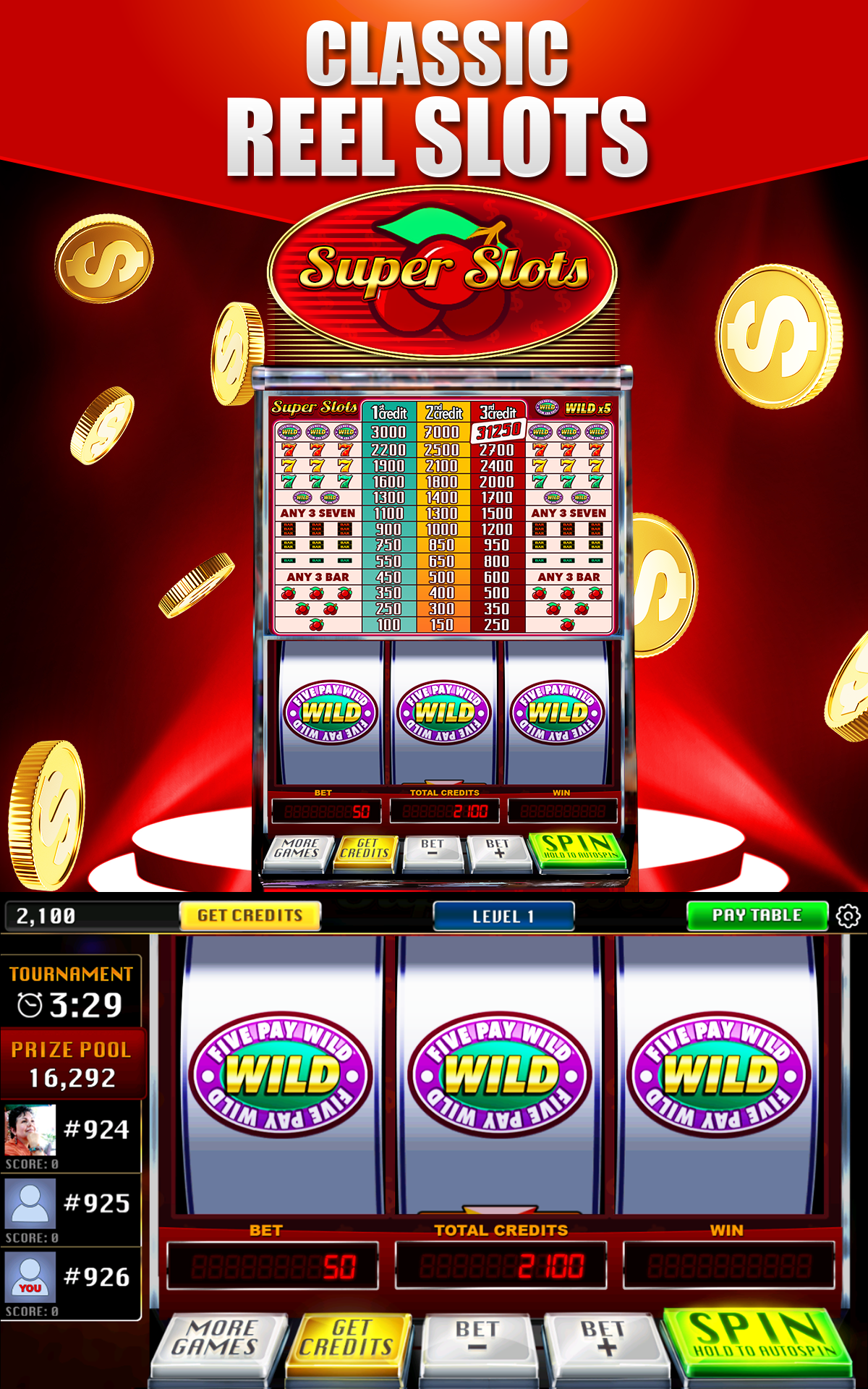
Do online casinos use random number generators to ensure fair gameplay?
Yes, trusted online casinos use Random Number Generators (RNGs) to ensure that game outcomes are unpredictable and fair. These systems are tested regularly by independent auditing firms like eCOGRA, iTech Labs, or GLI, which verify that the results are truly random and not influenced by the casino or players. The test reports are often published on the casino’s website so users can review them. This means that every spin, hand, or roll has an equal chance of winning, just like in a physical casino. If a casino doesn’t provide access to these reports or refuses to share details about their RNG testing, it’s a sign that they may not be operating with full transparency.
845CEF9C